info@summitloverstravels.com
+255 613 348 240
Travel information
About us
6 Days Marangu Route Kilimanjaro Climbing

Kilimanjaro Treks

6 Days Marangu Route Kilimanjaro Climbing

6 climbing days + arrival and departure days · Private trip · Personal quotation

6 Days Marangu Route Kilimanjaro Climbing

The hut-based eastern approach, with an additional night at Horombo to slow the ascent.

Your trip is planned around your travel dates, preferred comfort level and the time you want to spend in each place. The day-by-day outline below shows the route clearly, with room to discuss extra nights and personal interests before you book.

When is the best time to travel?

January–early March and June–October are common drier windows. Mountain weather remains unpredictable.

How can I personalize this trip?

Tell us your preferred pace, travel dates and the comfort level you have in mind. We can discuss extra nights, different stays and an island finish before a final proposal is confirmed.

What fitness level is needed?

Challenging

What should I prepare before travel?

Review the packing notes and your written itinerary. Entry requirements depend on your passport; use official immigration guidance, and choose insurance that covers the activities you are planning.
6 Days Marangu Route Kilimanjaro Climbing

Green season

April–May

Request a green season quotation by group size
2 persons4 persons6 persons
Get quote Get quote Get quote

Shoulder season

Selected dates outside peak periods

Request a shoulder season quotation by group size
2 persons4 persons6 persons
Get quote Get quote Get quote

Peak travel periods

Popular dry-season and holiday dates

Request a peak travel periods quotation by group size
2 persons4 persons6 persons
Get quote Get quote Get quote

Rates are quoted personally for your dates, group size and confirmed stays. International flights are excluded unless expressly listed.

Read about the price composition

Included in your proposal

  • Mountain guide and support crew as quoted
  • Permits, mountain meals and accommodation specified in the proposal
  • Agreed transfers and pre-climb equipment briefing

Plan separately

  • Flights, visas, travel insurance and personal equipment
  • Tips and equipment hire unless listed
  • Extra nights or changed arrangements outside the agreed plan

A CLOSER LOOK AT YOUR TOUR

Before you book

What this route involves

6 Days Marangu Route Kilimanjaro Climbing is built around the mountain stages listed below. Compare the number of climbing days, ascent pattern and overnight style before choosing. A route that uses huts still involves significant altitude exposure, and a camping route requires realistic expectations about simple mountain facilities. The arrival and post-climb arrangements are shown separately so the time on the mountain remains clear.

The guide briefing and equipment check

Before setting off, meet your mountain guide to review the trail plan, crew arrangements, personal equipment and daily routine. Check boots, rain protection, warm layers, sleeping equipment and the items needed in your daypack. If you intend to hire equipment, reserve it ahead of time and confirm what is available. It is easier to resolve a missing item in town than after the first walking stage.

Mountain days and overnight routines

Most of the day is spent walking at a measured pace with regular opportunities for food, water and short breaks. After reaching the overnight stop, organise dry layers, eat and leave time to rest. Keep your guide informed about how you are feeling. Summit attempts are conditional, and the guide’s decision to shorten a stage or turn around takes priority over the printed itinerary.

Preparation and onward plans

Practise walking with your intended boots and daypack before travel, and discuss individual altitude suitability with a qualified clinician. Confirm that insurance covers the actual route and activities. Protect a rest night after descent and leave a sensible buffer before an international flight. A safari or Zanzibar extension can follow, but it should be arranged around the mountain schedule rather than squeeze it.

Itinerary details

Day 1

Arrival at Kilimanjaro International Airport

Meet your Summit Lovers Travels representative and transfer to Moshi for the night before your climb. Before the trek begins, meet your mountain guide for a route briefing and equipment check. Review clothing, packing and the mountain routine, ask your questions and leave the evening free for dinner and rest.

Overnight: Moshi pre-climb hotel

Arrival at Kilimanjaro International Airport

Day 2

Marangu Gate Mandara Hut

Complete gate registration and meet the walking crew before setting off through the montane forest. The trail can be damp and uneven underfoot. Use the first day to find an easy rhythm, learn the crew’s routines and reach camp with time to arrange your sleeping kit before the evening meal.

Patience in the northern ecosystem

A northern Serengeti stay should allow more than a quick visit to one viewpoint. Explore the surrounding habitats and leave room for wildlife away from the river. If herds gather near water, your guide will judge a suitable place to wait without crowding the animals or blocking other vehicles. A crossing is a natural event, not a scheduled performance, and a good northern safari has much more to offer than a single moment.

Overnight: Huts

Marangu Gate → Mandara Hut

Day 3

Mandara Horombo Hut

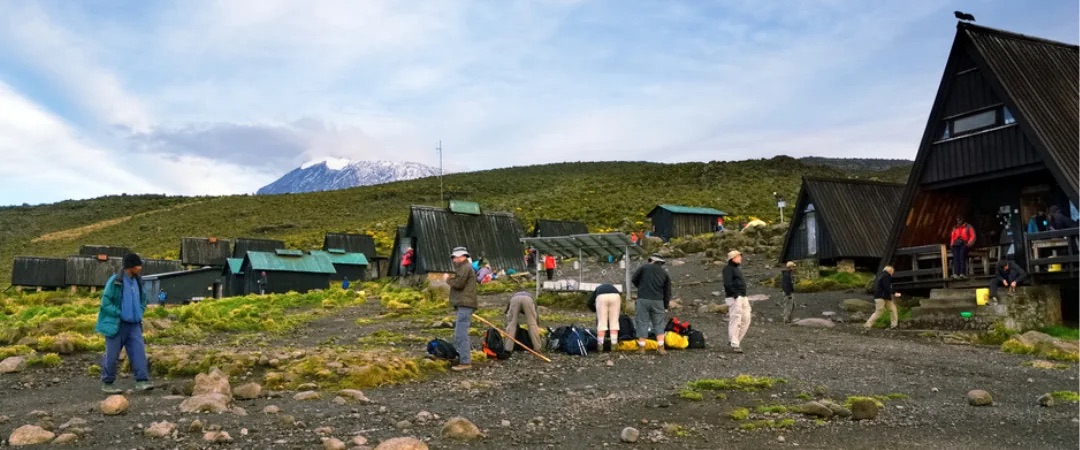
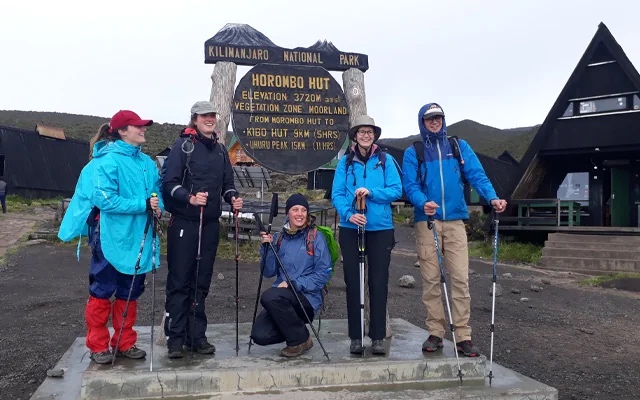
Leave the forested lower slopes for heath and moorland, with a more open view of the mountain when weather allows. The path gains height steadily, so take frequent short pauses rather than rushing the first half. Settle into the hut-area routine and prepare layers for the cooler evening.

Prepare for the higher mountain

Take time to organise your overnight bag and keep a complete set of warm, dry clothing for the evening. Open moorland can feel exposed when the weather changes, even after a comfortable morning. Food, rest and an honest conversation with your guide are more useful than adding unnecessary effort. On an acclimatization day, a short outing returns to the same base; on an ascent day, keep the pace steady towards the next camp.

Overnight: Huts

Mandara → Horombo Hut

Day 4

Horombo acclimatization walk Horombo

Keep your main luggage at camp and take a measured walk with your guide before returning to the same overnight base. The purpose is time on the mountain, not speed or distance. Spend the afternoon resting, eating and checking the plan for the higher camps.

Prepare for the higher mountain

Take time to organise your overnight bag and keep a complete set of warm, dry clothing for the evening. Open moorland can feel exposed when the weather changes, even after a comfortable morning. Food, rest and an honest conversation with your guide are more useful than adding unnecessary effort. On an acclimatization day, a short outing returns to the same base; on an ascent day, keep the pace steady towards the next camp.

Overnight: Huts

Horombo acclimatization walk → Horombo

Day 5

Horombo Kibo Hut

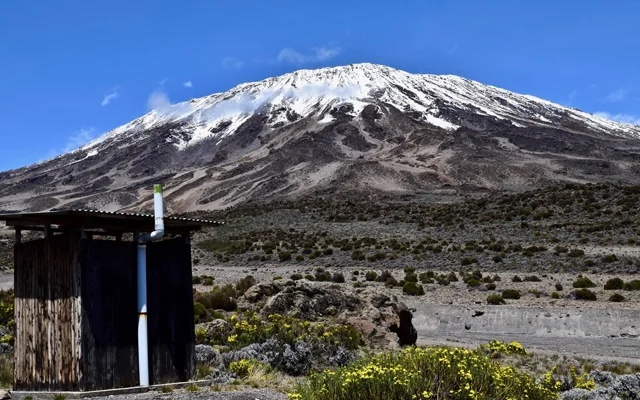
Walk into the open saddle between Mawenzi and Kibo, where the mountain feels drier and more exposed. Arrive at the upper staging area in time to organise the essentials, eat and rest. Keep the afternoon quiet; your guide will explain the summit attempt, descent plan and the conditions that could change it.

Prepare for the higher mountain

Take time to organise your overnight bag and keep a complete set of warm, dry clothing for the evening. Open moorland can feel exposed when the weather changes, even after a comfortable morning. Food, rest and an honest conversation with your guide are more useful than adding unnecessary effort. On an acclimatization day, a short outing returns to the same base; on an ascent day, keep the pace steady towards the next camp.

Overnight: Huts

Horombo → Kibo Hut

Day 6

Kibo Uhuru Peak attempt Horombo

After the final guide briefing, set off in the dark only if conditions and your condition are suitable. Follow a slow rhythm towards the crater rim, with a possible continuation to Uhuru Peak. Expect the longest, coldest effort of the trip and a substantial descent afterwards. Summit and turnaround decisions rest with the guide; reaching the overnight stop safely comes first.

Prepare for the higher mountain

Take time to organise your overnight bag and keep a complete set of warm, dry clothing for the evening. Open moorland can feel exposed when the weather changes, even after a comfortable morning. Food, rest and an honest conversation with your guide are more useful than adding unnecessary effort. On an acclimatization day, a short outing returns to the same base; on an ascent day, keep the pace steady towards the next camp.

Your mountain crew sets the pace and the practical routine for the day. Keep water, rain protection and warm layers accessible in your daypack. The route is adjusted when conditions require it, and the guide’s decision about continuing or descending takes priority over the printed schedule.

Overnight: Huts

Kibo → Uhuru Peak attempt → Horombo

Day 7

Horombo Marangu Gate

Take a careful final descent through the lower vegetation zones, where damp ground can make tired legs work harder. Complete park formalities at the exit, meet your transfer and return to Moshi. A shower, a proper meal and a quiet evening are the priorities; avoid a tightly timed flight connection.

Patience in the northern ecosystem

A northern Serengeti stay should allow more than a quick visit to one viewpoint. Explore the surrounding habitats and leave room for wildlife away from the river. If herds gather near water, your guide will judge a suitable place to wait without crowding the animals or blocking other vehicles. A crossing is a natural event, not a scheduled performance, and a good northern safari has much more to offer than a single moment.

Overnight: Moshi post-climb hotel

Day 8

Departure or continue your Tanzania trip

Enjoy breakfast in Moshi after your post-descent night. Meet the airport transfer agreed in your proposal, or continue to a separately arranged safari or Zanzibar holiday. We leave this day clear of mountain walking so you have time for the onward connection.

Overnight: Onward trip

Make this trip your own

Keep the route you love, then choose the comfort and pace that suit you.

Practical information

Best time to travel

January–early March and June–October are common drier windows. Mountain weather remains unpredictable.

Fitness & pace

Challenging

Travel documents & visas

What to pack

  • Broken-in walking boots and trekking socks
  • Waterproof jacket and trousers; warm insulating layers
  • Warm hat, gloves, head torch and spare batteries
  • Sleeping bag suited to the route, daypack and water system
  • Sun protection and trekking poles
Explore all practical guides

More to make of your trip

Before the climb

Ask about an easy Moshi outing after arrival, while protecting time for the equipment briefing and rest.

After the climb

Add a safari or a few days beside the Indian Ocean, allowing a sensible buffer between descent and flights.

Optional activities and accommodation are subject to availability. Your written proposal confirms the exact price, inclusions and booking terms.

Request this trip